
DETECTION & MONITORING
Choose the right biofilm detection method
Start with the area you need to investigate. Accessible production surfaces and water circuits require different approaches to detection and monitoring.
We help you choose between visual surface screening, staining of the biofilm matrix and continuous monitoring—so your team can focus its investigation and plan the next step.
COMPARE DETECTION METHODS
What do you need to investigate?
These tools provide different types of information. Choose your starting point according to the surface or system, the question you need to answer and whether you need a spot check or ongoing monitoring.
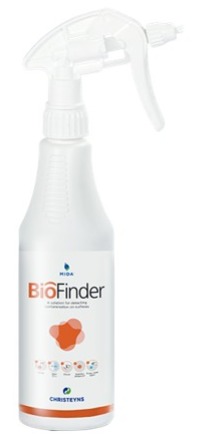
BioFinder
Biofilm detection aid and hygiene indicator
Where: Accessible equipment and production surfaces, after cleaning and disinfection.
Purpose: Reveal contamination hotspots through a visible bubbling reaction, helping flag residual contamination or possible biofilm.
Use when: You need to check cleaning effectiveness, locate recurring hotspots and focus further investigation or corrective cleaning.
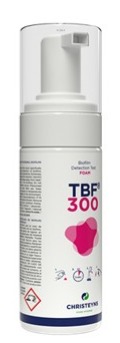
TBF300
Visualisation of the biofilm matrix
Where: Accessible surfaces that can be inspected directly.
Purpose: Stain the extracellular matrix to help reveal biofilm deposits.
Use when: You want to investigate suspected biofilm deposits and target matrix removal.
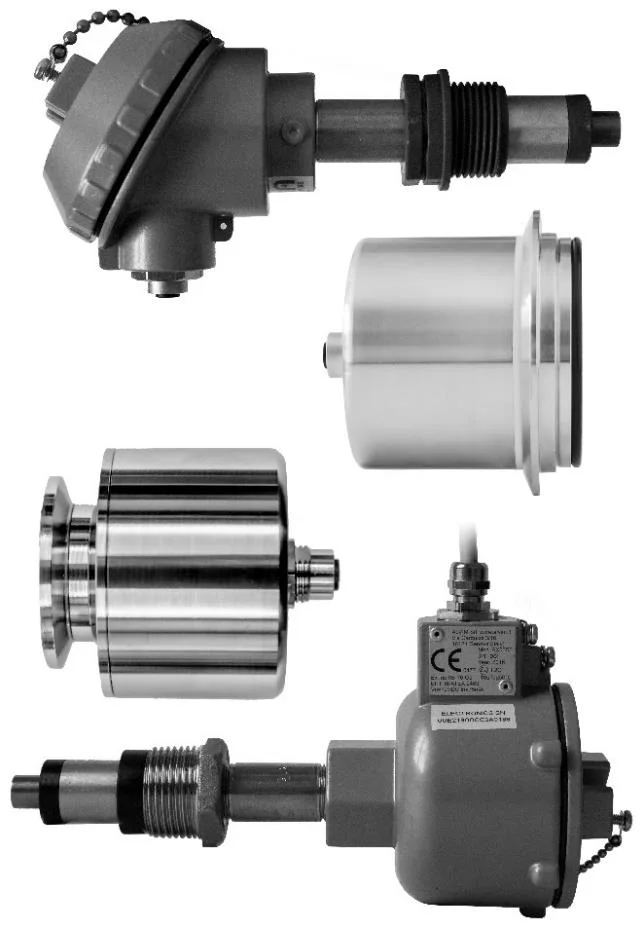
ALVIM Biofilm Sensor
Continuous monitoring in water systems
Where: Water circuits with a suitable sensor installation point.
Purpose: Track biofilm development at the sensor surface over time.
Use when: You need ongoing information to assess how a water-treatment programme responds.
Use these findings alongside your wider hygiene investigation and microbiological testing. They do not identify a specific microorganism or replace pathogen testing.
BIOFINDER | SURFACE SCREENING
Find the areas that need a closer look
When microbial results keep recurring, knowing where to investigate can be a challenge. BioFinder provides a visual indication of potential microbial contamination on accessible production surfaces, helping your team locate hotspots.
Use these findings to focus closer inspection, further sampling and corrective cleaning. A hotspot is a starting point for investigation; it does not identify a particular microorganism or establish on its own that biofilm is present.
Suitable starting point: Hygiene teams investigating recurring contamination on accessible equipment and production surfaces.
TBF300 | BIOFILM MATRIX VISUALISATION
Make suspected biofilm deposits easier to see
TBF300 stains the extracellular matrix, helping your team visualise biofilm deposits on accessible surfaces and identify areas that need targeted attention.
It offers a different perspective from surface screening: BioFinder helps locate potential microbial contamination, while TBF300 helps reveal the matrix associated with biofilm deposits. The findings can guide closer investigation and the selection of a targeted cleaning programme.
Suitable starting point: Teams investigating suspected biofilm deposits on surfaces they can access and inspect directly.
ALVIM | CONTINUOUS MONITORING
Follow biofilm development over time
For water-treatment teams, an occasional surface check answers a different question from ongoing monitoring. ALVIM tracks biofilm development at the sensor surface inside a water circuit, helping your team follow changes over time.
Readings can support assessment of your water-treatment programme alongside operating conditions and other testing. Sensor location matters: the results describe conditions at the monitoring point and should be interpreted in the context of the wider system.
Suitable starting point: Water-treatment companies and industrial teams seeking continuous biofilm monitoring in cooling-water or process-water circuits.
LET US HELP YOU CHOOSE
Not sure which method fits your system?
Tell us where the problem occurs, what your microbial results are showing and how you currently clean or treat the system. We will help you identify an appropriate starting point for detection and monitoring.
If your investigation points to biofilm, we can also help you plan targeted removal and follow-up checks.