
BIOFINDER | BIOFILM DETECTION & HYGIENE SCREENING
Make hidden hotspots visible
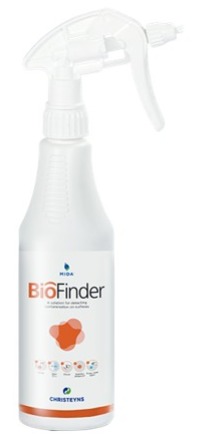
BioFinder is a biofilm detection aid and hygiene indicator for accessible production surfaces. Its visible bubbling reaction helps your team identify contamination hotspots and focus corrective action.
Used after cleaning and disinfection, it helps highlight areas that need closer investigation for residual contamination or possible biofilm.
BIOFINDER IN USE
See what a positive reaction looks like
Small bubbles highlight areas requiring attention. These examples show reactions on equipment and surfaces in processing environments. Click any photograph to view it at full size.
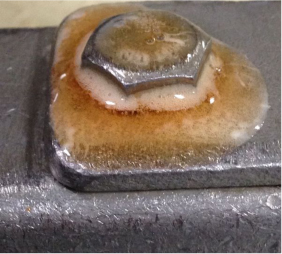
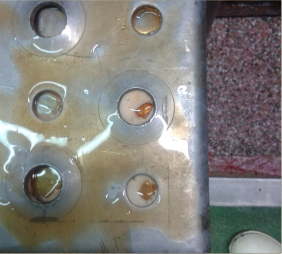
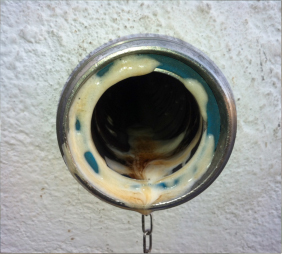
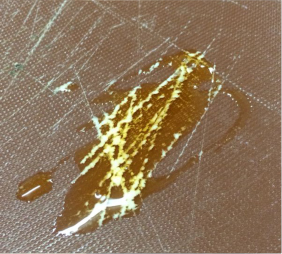
Interpret reactions in the context of the surface condition and its cleaning history. See the guidance below on understanding results, including reactions caused by metals.
APPLICATION GUIDE
How to use BioFinder
Use BioFinder to assess accessible surfaces after cleaning and disinfection. Follow the product label, technical data sheet and safety data sheet.
1. Apply gently. Do not shake. Spray onto the surface from a distance of 10–15 cm.
2. Wait 30–60 seconds. Allow the contact time before visually inspecting the tested area.
3. Look for small bubbles. A reaction flags an area requiring attention. The manufacturer recommends repeating sanitation on affected areas when contamination is detected.
4. Rinse thoroughly. Rinse tested surfaces with abundant water after inspection.
Understanding the result
BioFinder reacts with catalase-positive microorganisms, organic residues containing catalase, and metals. It serves as a biofilm detection aid and hygiene indicator, helping your team identify where further attention is needed.
On a cleaned and sanitised surface: A positive reaction warrants investigation for residual contamination or possible biofilm, alongside a review of cleaning effectiveness.
What bubbling does not establish: The reaction does not identify specific pathogens, measure a microbial count or confirm biofilm on its own. Use the findings alongside inspection and appropriate microbiological testing.
If no bubbles appear: Contamination may be below the test’s detection limit. This does not establish that the surface is sterile or free of pathogens.
Avoid rusty surfaces: Metals can cause reactions, and the manufacturer specifically advises against application to rusty surfaces because they can produce false positives.
What happens after a positive reaction?
Record the location and review the surface condition and cleaning process. Where findings point to biofilm, discuss a targeted removal programme and suitable follow-up checks with your hygiene team.
Watch BioFinder in action
Add BioFinder to your hygiene investigation
Speak to Innogiene about BioFinder, application guidance and the next steps after a positive reaction.